


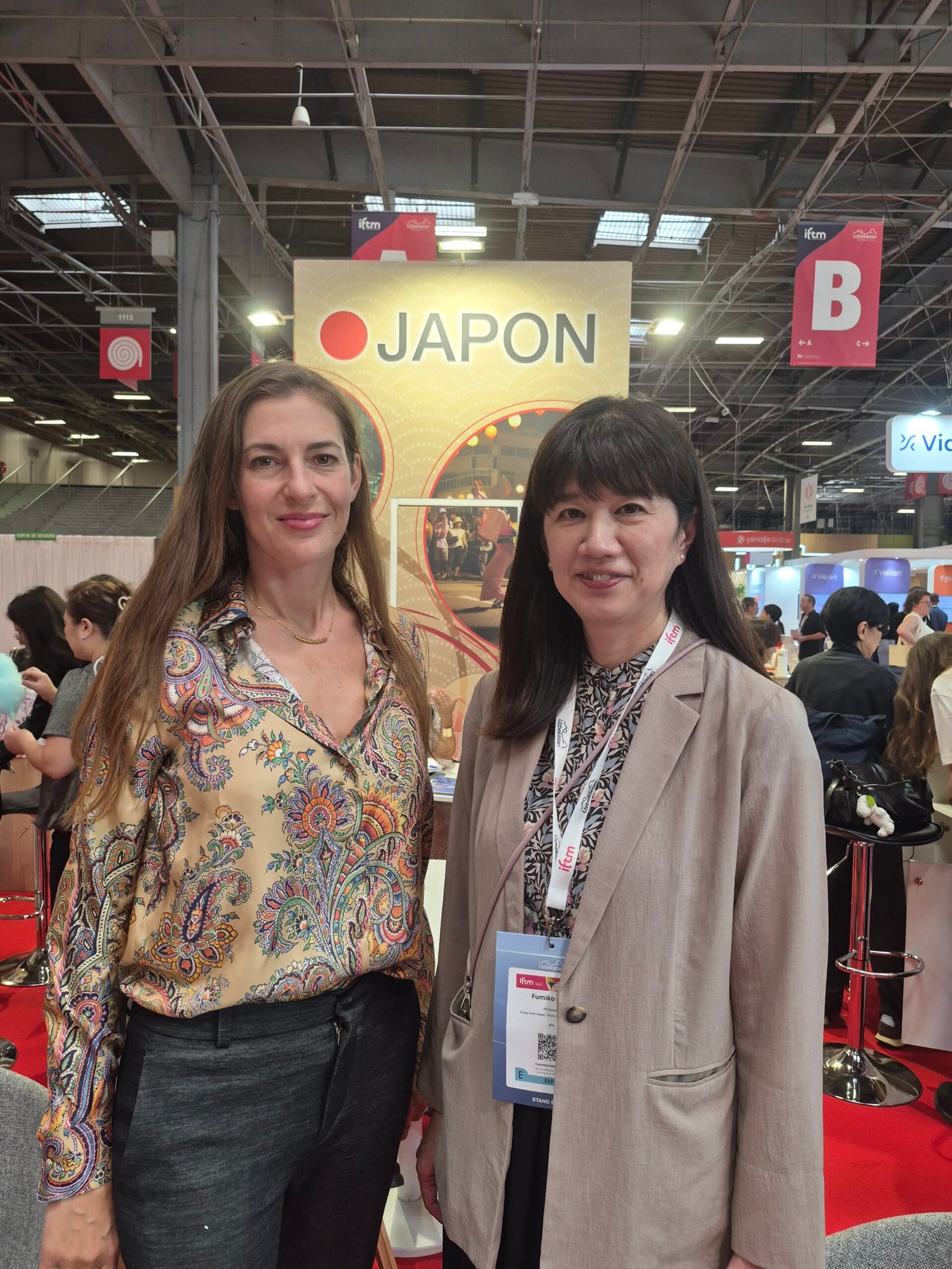

At a time when global travelers increasingly seek authentic, immersive experiences, two unique Tokyo properties are standing out for their innovative approach to traditional Japanese hospitality. Blending classic literature with avant-garde visual arts, the Shiba Park Hotel and the Park Hotel Tokyo transform a standard holiday or business stay into a deep cultural journey. We met in Paris with Yumi Kukuto, the Public Relations Director shaping the international image of these two urban gems.
Redefining Omotenashi Through Human Creativity
In the competitive landscape of luxury global hospitality, Tokyo holds a special position. The Japanese metropolis seamlessly blends dizzying technological modernity with deeply rooted, ancient customs. At the heart of this philosophy lies Omotenashi, the Japanese concept of hospitality that goes far beyond customer service: it is the art of anticipating a guest’s every need with genuine sincerity and absolute discretion.
Yet, while many international hotel chains choose to standardize their offerings, one Japanese hotel group has placed a bold bet on the exact opposite. Under the strategic guidance of PR Director Yumi Kukuto, two premier properties in the capital have chosen to weave human creative expression directly into their brand identity: one through the written word, the other through visual arts.
Attending the trade show in Paris, Yumi Kukuto shared insights into the strong connection that Western travelers share with Japanese culture. With more than 95% of their guests arriving from Europe, Northern America, and Australia, these two properties have turned into cultural embassies for long-haul international visitors. Here is a closer look at two distinct hotel philosophies redefining the standards of luxury travel.
Shiba Park Hotel: A Literary Sanctuary in the Heart of the City
Nestled in the quiet, historic neighborhood surrounding the iconic Tokyo Tower, the Shiba Park Hotel stands as a peaceful sanctuary for the mind. Reimagined around a sophisticated “library hotel” concept, this 4-star property invites international guests to slow down and trade Tokyo’s fast-paced energy for quiet literary contemplation.
A Bibliophile’s Paradise
From the moment guests cross the threshold, the literary atmosphere is unmistakable. The interior architecture features stunning floor-to-ceiling wooden bookshelves, creating a cozy, refined ambiance reminiscent of a historic university library or a timeless private club. Today, the hotel proudly houses a carefully curated collection of more than 2,000 books.
These volumes, spanning fields like Japanese history, architecture, local gastronomy, and photography, are exclusively available for guests to read and explore (1:24). Visitors can find translations of classic Japanese literature alongside stunning coffee table books, offering a perfect way to decrypt the subtleties of the Land of the Rising Sun before stepping out onto the city streets. The communal lounge spaces, featuring deep armchairs and soft, warm lighting, encourage travelers to disconnect from their digital screens.
A Window Into Heritage
The Shiba Park Hotel is much more than just a quiet reading room. For Yumi Kukuto, the goal is to introduce international travelers to the depths of Japanese heritage. To achieve this, the hotel hosts four mini-expositions per year, changing with the rhythm of the seasons—a concept deeply tied to traditional Japanese poetry and daily life.
These temporary displays spotlight local traditional craftsmanship, from Kyoto pottery and handmade washi paper to the intricate tools of the tea ceremony and antique textiles. This allows guests to interact directly with historical objects, gaining a clearer understanding of how Japanese aesthetics have evolved through the centuries.
Park Hotel Tokyo: Living Inside a Work of Art
Just a few kilometers away, in the sleek, high-rise Shiodome district, the Park Hotel Tokyo offers a radically different but equally captivating experience. While its sister property looks to history and words, this hotel fully embraces modern visual expression, proudly positioning itself as an “art hotel”.
A Vertical Museum
The Park Hotel Tokyo does not merely hang artwork on its walls; it lives and breathes art. The property features a staggering permanent and rotating collection of more than 400 original artworks, ranging from contemporary sculptures to abstract paintings and complex multimedia installations.
The true triumph lies in the layout of the space. Each floor is conceptualized and curated as a distinct, independent gallery, hosting rotating exhibitions that change throughout the year. Simply walking down the corridors to reach your room feels exactly like a private tour through a major contemporary art museum—without the crowds.
The ideal itinerary: the perfect balance of culture, nature, and beaches.
To meet the expectations of this discerning clientele, the Tourism Board has outlined an ideal itinerary with a recommended duration of 10 to 12 days. Breaking away from the mold of whirlwind tours, this itinerary offers a subtle balance of historical exploration, ecotourism, and tropical relaxation a blend particularly well-suited to couples and families with children.
A key new feature is the systematic inclusion of a three-night beach extension on the country’s southern coast. Long overshadowed by neighboring countries, Cambodia’s coastline is currently experiencing a remarkable boom. High-end hotels and resorts are springing up rapidly, offering privileged access to stunning white-sand beaches. With their expansive pools and family-friendly amenities, these properties allow families to unwind in the country’s perpetually warm tropical climate.
The “Artist Rooms”: Absolute Creative Immersion
The undisputed highlight and most memorable feature of the hotel is its collection of 52 unique Artist Rooms. To pull off this monumental project, the hotel management gave local creators complete creative freedom. Artists were invited to stay at the hotel as residents and use the room’s walls, ceilings, and occasionally even the furniture as their canvas.
Every single one of these 52 rooms is a one-of-a-kind masterpiece. In one room, you might sleep enveloped by vibrant wall murals depicting traditional sumo wrestlers in mid-bout. In another, powerful traditional dragons or nature deities stretch across the ceiling. A third room might immerse you entirely in the delicate, poetic atmosphere of blooming cherry blossoms (sakura). Sleeping in these spaces goes beyond looking at art; it means temporarily inhabiting the imagination of a creator.
Championing the Local Creative Community
Behind this aesthetic endeavor lies an ethical commitment championed passionately by Yumi Kukuto. “We would like to show our hospitality through art,” she notes. By serving as both a platform and a patron, the Park Hotel Tokyo actively supports local Japanese artists, granting them incredible international exposure to a curious, global audience.
The overarching theme binding these efforts together is “Japan Beauty”. Whether through reinterpreted ancestral techniques or purely modern critiques of contemporary society, each piece of art allows foreign travelers to connect deeply with the authentic soul of Japan.
Charting the Course to Europe: The Strategic Western Market
Yumi Kukuto’s promotional tour in the French capital is highly deliberate. While tourism to Japan is experiencing unprecedented growth, the vast majority of visitors staying at these two niche properties are Westerners. European travelers, renowned for their appreciation of history, literature, and fine art, represent the ideal audience for these concepts.
According to demographic data shared by the director, England ranks as the single most important European market for the hotels. It is followed closely by a group of nations with a long-standing passion for Japanese culture: Germany, France, Spain, and Italy. This European tour aims to solidify partnerships with high-end travel agencies and raise awareness in specialized media, ensuring travelers receive curated, culturally immersive itineraries
The Ultimate Cultural Extension: The Culinary Art of Kaiseki
No exploration of Japanese hospitality is truly complete without delving into its culinary traditions. The immersive cultural experience provided by both the Shiba Park Hotel and the Park Hotel Tokyo reaches its natural conclusion at the dining table. During her interview, Yumi Kukuto highlighted the pinnacle of national gastronomy available to guests: Kaiseki.
The director compares Kaiseki to a French multi-course gastronomic menu, representing the absolute peak of Japanese culinary refinement. It is a traditional meal consisting of a meticulous sequence of small, seasonal dishes where absolutely nothing is left to chance. Every plate is a beautiful visual composition designed to delight the eyes as much as the palate.
The dining experience traditionally opens with delicate, fresh elements like sashimi (raw fish) before transitioning through a balance of simmered, grilled, and steamed courses that celebrate local ingredients. Serving this high gastronomy within the hotel properties rounds out the sensory journey, seamlessly bringing together premium lodging, intellectual or visual stimulation, and the exquisite pleasures of the table.
Conclusion: The Future of Travel Belongs to Culture
Through the lens of the Shiba Park Hotel and the Park Hotel Tokyo, hospitality proves it can be far more than just a place to sleep at night. By transforming into active spaces for cultural preservation, historical education, and contemporary art patronage, these hotels offer an unparalleled gateway into the beauty of Japan. Whether you are a book lover seeking serenity among thousands of classic volumes, or an art enthusiast looking to wake up in front of a sweeping custom mural, these two Tokyo addresses stand out as essential stops for your next journey to the Land of the Rising Sun
Useful Links :



1 Comment
Le Japon, un des pays que j’aimerais tant visiter pour sa culture, sa discipline.