



The Awakening of Timeless Empires: Architectural Marvels, Preserved Citadels, and the Living History of Uzbekistan’s Oasis Cities
Central Asia, once a collection of remote outposts romanticized by 19th-century explorers, has transformed into the world’s most compelling frontier for discerning cultural travelers, driven by an ambitious national commitment to heritage preservation and modern infrastructure. At the physical and historical epicenter of this geopolitical crossroads sits Uzbekistan, a land where the legendary echoes of trade caravans, nomadic conquerors, and Islamic scholars are etched into the very fabric of its soaring turquoise domes and intricate majolica facades. Samarkand, a name that has universally epitomized oriental exoticism for millennia, stands as a breathtaking monument to the Timurid Empire, where the monumental Registan Square commands absolute reverence with its trio of grand madrasas aligned in flawless, time-defying symmetry. Walking through this square at dusk, as the desert sun bathes the azure tiles in a warm gold, travelers are transported to an era when this city was the intellectual and commercial hub of the known world, attracting astronomers, poets, and silk merchants from Beijing to Venice. Further west, the holy city of Bukhara offers an entirely different, deeply immersive urban museum experience where over 140 architectural monuments remain woven into the daily life of its residents; here, the imposing Kalyan Minaret—which so awed Genghis Khan that he spared it from destruction—still towers over ancient domed bazaars and centuries-old caravanserais where artisan families continue to weave silk carpets and hammer exquisite suzani copper plates. Still deeper into the Kyzylkum Desert lies the walled citadel of Khiva, an intact open-air museum encircled by massive sun-dried mud brick ramparts that shield an unbroken labyrinth of ornate palaces, hypostyle mosques, and the iconic, tile-encrusted Kalta Minor Minaret. What elevates the modern Uzbek travel experience from a mere historical tour into a world-class luxury journey is the seamless integration of these ancient landscapes with cutting-edge logistics, best exemplified by the Afrosiyob high-speed train, which effortlessly glides across the desert to connect Tashkent, Samarkand, and Bukhara with European standards of comfort and speed. This meticulous balance of raw antiquarian wonder and premium contemporary hospitality captures the imagination of high-end travelers who seek an authentic, profound engagement with global history without compromising on exclusive luxury amenities, premium boutique accommodations, and smooth transit.
The Art of Sacred Hospitality: Gastronomic Heritage, Vibrant Bazaars, and the Multi-Generational Appeal of Uzbek Culture
While the staggering scale of Central Asia’s mosques and minarets provides an unforgettable visual backdrop, the true soul of the region is discovered through its people, who practice a legendary warmth and hospitality that has been elevated to a sacred cultural duty through centuries of nomadic and sedentary interactions. In an increasingly fragmented and commercialized world, the genuine, unforced generosity of the Uzbek people offers a profound emotional grounding for international visitors, where every traveler is treated as an honored guest, whether stepping into a master artisan’s studio or a rural family home. This deep-rooted cultural impulse is most vibrantly expressed through the nation’s rich culinary arts, a fragrant, communal gastronomy designed to bring families, neighbors, and strangers together around a shared table. At the pinnacle of this culinary heritage is Plov, the undisputed national dish inscribed on the UNESCO Representative List of the Intangible Cultural Heritage of Humanity, which blends masterfully simmered rice, tender lamb or beef, sweet yellow carrots, and onions, all slow-cooked in a massive iron cauldron (kazan) and delicately infused with whole garlic cloves, cumin, and wild barberries. Sampling a localized variation of Plov in a traditional Chaykhana (tea house) is an essential rite of passage, revealing subtle regional identities through flavor profiles that change from the savory depths of Tashkent to the delicate, layered techniques of Samarkand. The sensory heart of daily life beats loudest within the bustling oriental marketplaces, such as the monumental Chorsu Bazar in Tashkent, where under an enormous, Soviet-era concrete dome, an intoxicating kaleidoscope of sights and scents unfolds: mountains of sun-dried fruits, stacks of legendary local melons, and the irresistible aroma of freshly baked Non flatbread being slapped against the clay walls of glowing Tandir ovens. This rich tapestry of cultural traditions has sparked a major shift toward family and multi-generational travel, as Uzbekistan stands out as an exceptionally safe, secure, and welcoming environment for children and seniors alike. In the sprawling capital of Tashkent, families encounter a surprisingly green, dynamic metropolis filled with pristine theme parks, state-of-the-art cinemas, and a palatial metro system whose marble-lined, chandelier-lit stations double as subterranean art galleries, while the surrounding regions offer thrilling outdoor adventures ranging from riding double-humped Bactrian camels along the shores of Lake Aydarkul to sleeping under a star-filled sky in a luxury desert yurt camp.
The Architecture of the Bespoke Journey: Elite Destination Management, Sustainable Luxury, and the Frontiers of Pan-Central Asian Expeditions
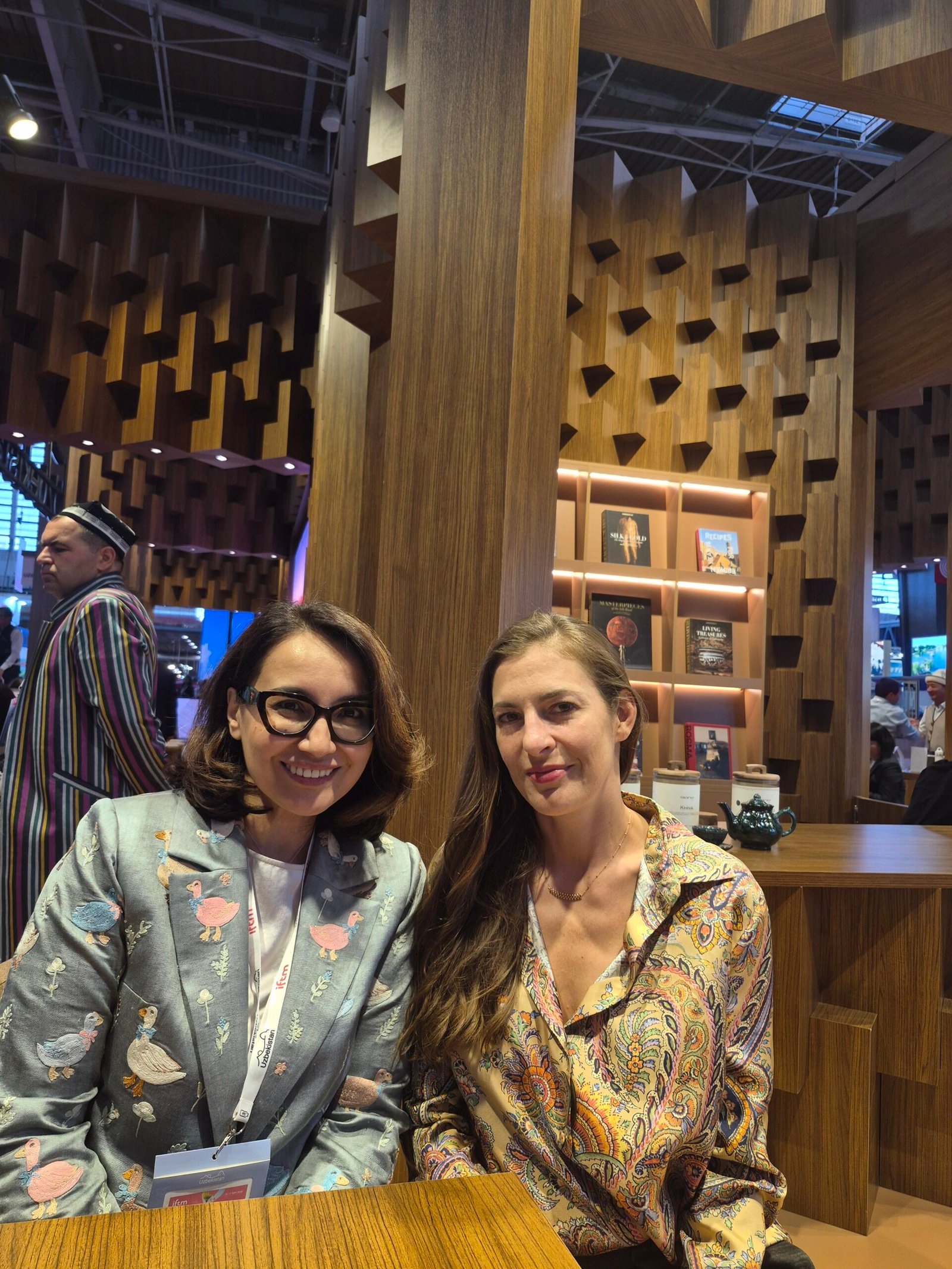
Navigating the vast geographical expanses, microclimates, and rich cultural nuances of Central Asia requires sophisticated local orchestration, a reality that highlights the vital role played by elite, long-standing Destination Management Companies (DMCs) that serve as the true architects of high-end travel. Pioneer operators like Afsona Travel, established in 1998, have spent decades cultivating exclusive local networks, training expert multilingual guides, and securing private access to historical sites, allowing them to transform standard itineraries into flawless, hyper-personalized masterpieces tailored to luxury leisure travelers and corporate MICE delegations. Operating in a region defined by an extreme continental climate, these specialist agencies possess the precise operational intelligence needed to curate flawless journeys year-round, optimization that shines particularly during the idyllic, temperate windows of spring and autumn when the landscapes are at their most breathtaking. Furthermore, the modern luxury traveler increasingly views Uzbekistan not as an isolated destination, but as the golden gateway to a broader, interconnected pan-Central Asian epic, prompting top-tier DMCs to design sophisticated, cross-border overland expeditions. These seamless trans-regional itineraries allow adventurous travelers to cross international borders and contrast the architectural precision of Uzbekistan with the endless, wild steppes and dramatic rock formations of Kazakhstan, the snow-capped peaks and pristine alpine lakes of Kyrgyzstan, the ancient Persian-influenced mountain villages of Tajikistan, or the surreal desert craters and archaeological mysteries of Turkmenistan. This integrated regional approach directly aligns with a global demand for sustainable, slow tourism that actively protects and honors the communities it touches; by intentionally partnering with multi-generational family workshops in the ceramics center of Rishtan or the silk-weaving mills of Margilan, these luxury operators ensure that tourism revenues directly fuel cultural preservation and local economic independence. As Central Asia continues to command the global spotlight at major international tourism forums—vividly demonstrated by Uzbekistan’s high-profile showcase as the official partner country at the prestigious IFTM Top Resa salon in Paris—the region cements its status as an elite destination where the ancient history of human civilization meets the pinnacle of bespoke, eco-conscious hospitality.
Useful Links :