




Under the Pacific’s slanting light, Tahiti is not so much visited as it is learned. Here, travel takes its time, slipping between a mother-of-pearl lagoon and dark ridgelines that hold the clouds in place. You arrive with images; you leave with a rhythm — slower, broader, almost musical.
The first impact is colour. The lagoon is never quite the same: ink-blue offshore, glass-green near the motu, sometimes streaked with silver when the wind skims the surface. From the coastal road, the sea appears in flashes, between flamboyants and stone walls, like a promise renewed with every bend. Then come the mountains — vast and close — lending the island its gravity. They rise behind the houses, as if the city had been set down only provisionally. Inland, the valleys open like deep breaths: ferns, waterfalls, the scent of wet earth. You quickly understand that Tahiti is also read in altitude, in the cool shadow of the crests and the shafts of light.
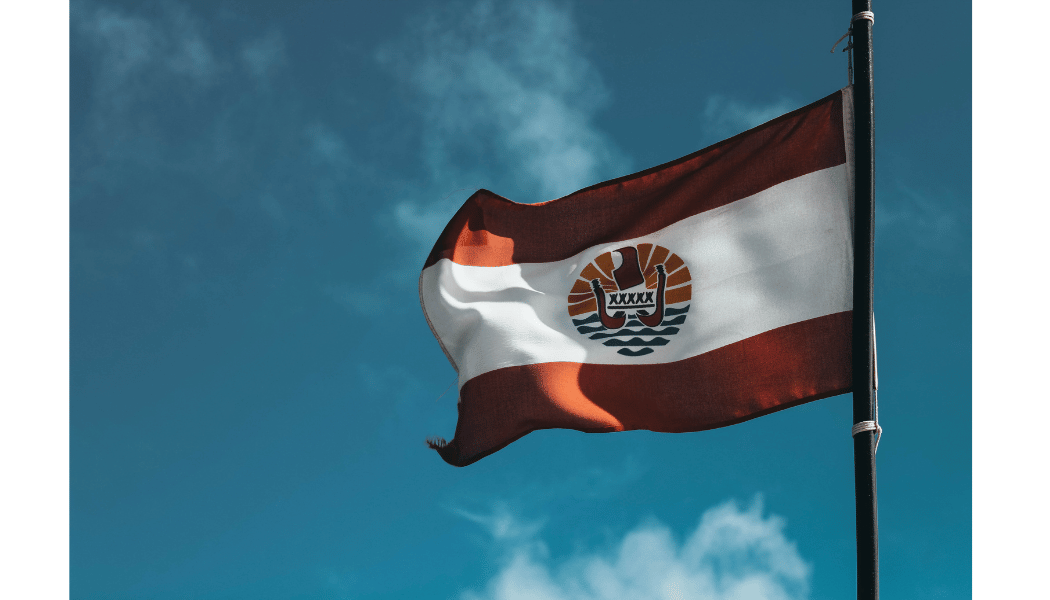
Papeete offers a counterpoint: a human-scale capital, lively without hurry. In the morning, market stalls mingle fruit, flowers and vivid fabrics, while conversations stretch out, punctuated by laughter. In the heat of midday, the city softens into hush; you look for shade, a coffee, a bench facing the harbour, and let the day pass like a tide. In the afternoon, Tahiti tells itself in pauses. You stop by the water’s edge, watch outrigger canoes glide past, listen to the surf — closer than you think, even when the road pulls away. Light here has a gift for gentleness: it erases hard angles, brushes the mountains’ shoulders, and turns a downpour into a brief spectacle, immediately dissolved.
Available
And in the evening, the island recovers a quiet solemnity. Along the coast, the sky unfolds in slow layers; tones settle in, from coral to deep violet, before yielding to night. This may be where Tahiti reveals itself most fully: not in the exceptional, but in continuity — a place where you learn to walk more slowly in order to see better.
“When leaving Tahiti, you carry away less a list of sights than a lasting sensation: that of a rediscovered sense of time. The island asks for nothing, it simply suggests a detour, a pause, a look toward the open sea, and quietly readjusts the traveller to the slow rhythm of essential things.”
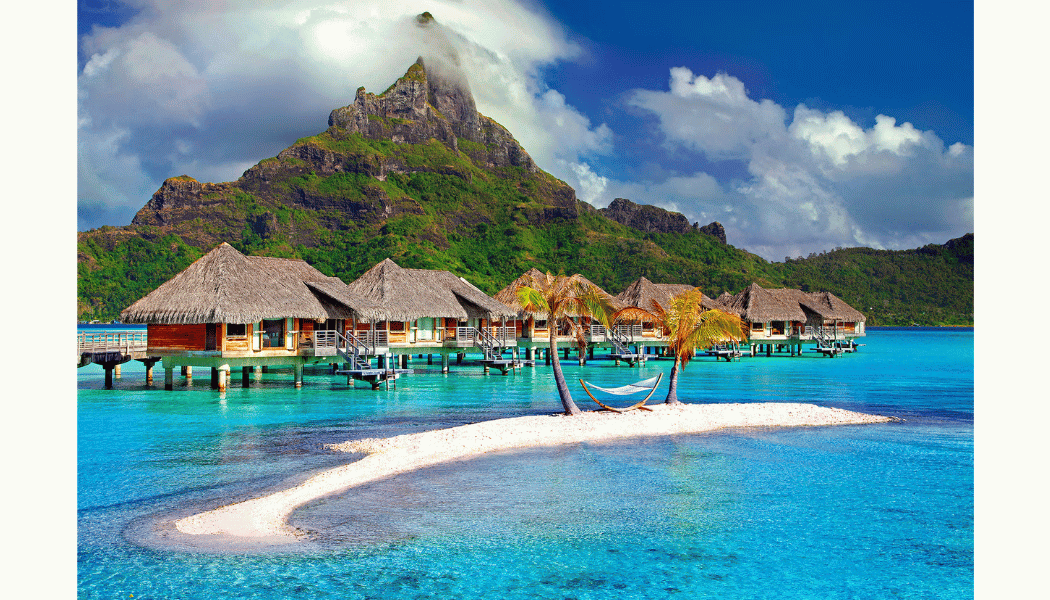
Tahiti is not simply a gateway to French Polynesia; it is an island with its own pulse. In Papeete, the waterfront, markets and cafés reveal a capital shaped by Pacific traditions, French influence and the daily rhythm of island life. Beyond the city, the landscape changes quickly. Lush valleys, black-sand beaches and dramatic mountain roads offer a more intimate view of the island, where nature remains central to every journey and every encounter.
For visitors planning a tailored stay, local specialists can help connect accommodation, transfers and island experiences. Tahiti Tourisme lists recognised incoming travel agencies, including Tahiti Travel Services.
Air travel remains an essential part of the Tahiti experience, with Air Tahiti Nui linking the islands to international destinations through its Tahitian Dreamliner service. For travellers who prefer the sea, Paul Gauguin Cruises offers small-ship itineraries across French Polynesia, including routes that combine Tahiti with Huahine, Taha’a, Bora Bora and Moorea.
Available
Practical notes
Tahiti can be explored year-round, with a more or less humid feel depending on the season; the key is to keep your plans flexible and to take showers as a kind of breathing space. On the ground, a vehicle makes coastal journeys easier, but many of the best moments unfold on foot — at the market, along the waterfront, in the neighbourhoods. As for pace, allow extra time: here, distances are also measured in light, in pauses, and in conversations.
Links
- Hotel Tahiti Nui
- Tahiti Travel Services
- Air Tahiti Nui
- Paul Gauguin Cruises
- Tahiti Tourisme
- Linda Restaurant, Papeete (listed by Tahiti Tourisme)