



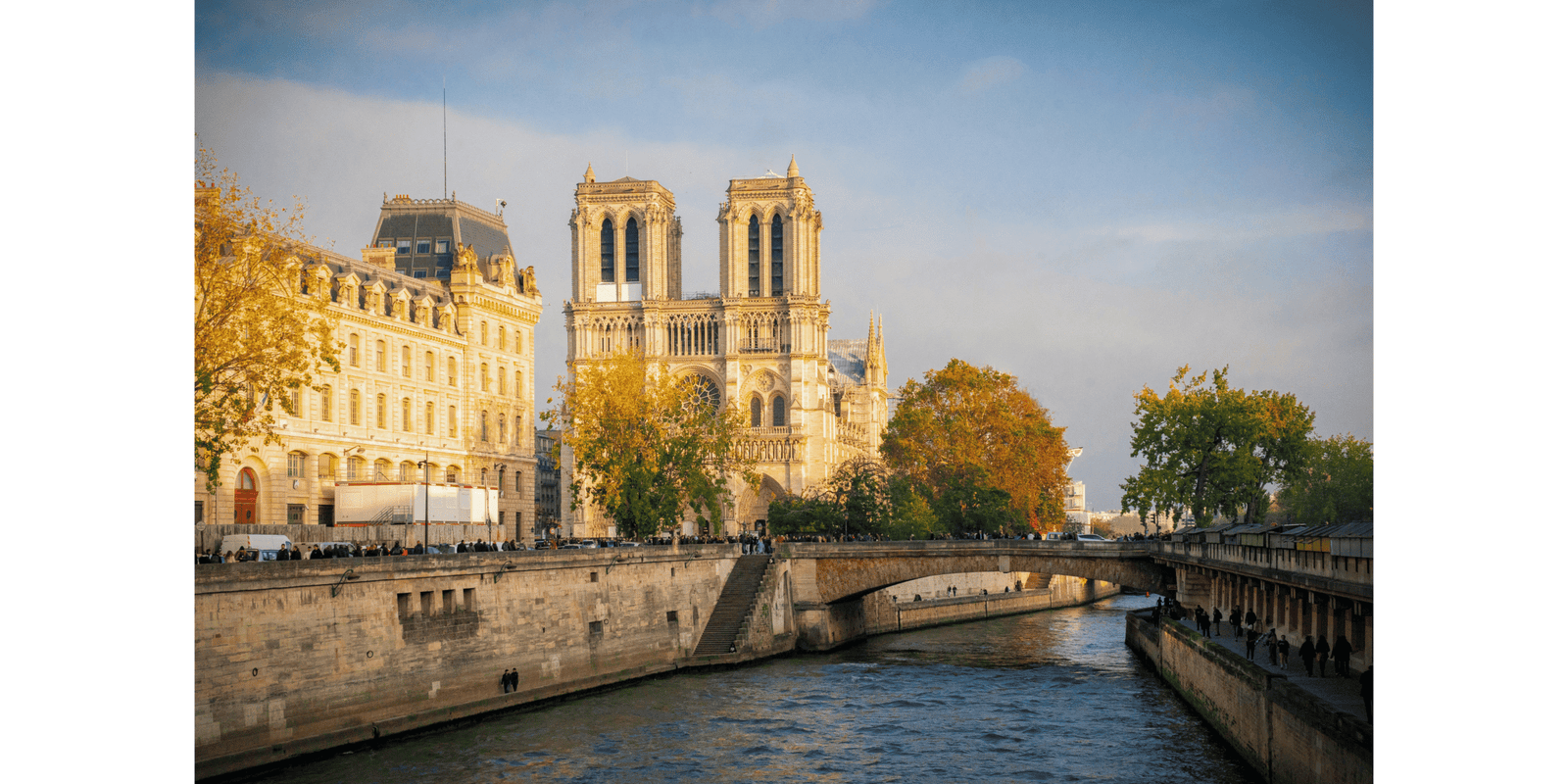

Travel is often sold as a catalogue: landmarks ticked off, viewpoints “done,” cities consumed like postcards. France invites a different kind of attention—one that lingers not on monuments, but on movement itself: the slow release of an arrival, the quiet authority of a departure, the way a landscape edits your thoughts as it slides past a window. This is a route shaped by transitions. Not a chase, but a sequence of gentle crossings—from Paris as a first threshold, to trains that stitch the country into a continuous line, to a coastal pause that tastes like salt and time. Between steps, there are discreet hotels that hold you lightly, asking only that you rest, then continue.
Paris as a Threshold: Learning the Pace of Arrival
Paris works best when you treat it as a beginning, not a finale. The city has a way of sharpening your senses—street-level details coming into focus as jet lag fades and the rhythm of sidewalks replaces the rhythm of airports. You don’t need to “see” anything immediately. What matters is the first feeling of being inside France, when your day stops being scheduled and starts being lived. Start with small, deliberate motions: crossing a bridge with no agenda, tracing a street until it changes character, letting a café table become your temporary address. Paris teaches the essential skill of transitional travel: allowing the mind to arrive a few minutes after the body does.
Quiet practice: Give yourself a “threshold hour” on your first day—no museum tickets, no major plans. Just one neighborhood, one walk, one unhurried drink. Let the city introduce itself at human speed.
If you’re choosing where to stay, aim for a place that makes departures easy: near a station, near a simple metro line, near streets that don’t require effort. In a trip built on passages, convenience is not a compromise—it’s the architecture of calm.
Available
The Train as a Thread: France Written Through Windows
In France, the train is more than transportation—it’s a way of reading the country. Stations act like punctuation marks: a pause, a shift of scene, a clean new paragraph. On board, you feel the nation compress and expand; the distance between regions becomes legible, and time turns from something you spend into something you inhabit. Choose rail not for speed alone, but for continuity. A morning departure can be its own ceremony: a paper cup of coffee, the hush of a carriage, the first acceleration that gently unhooks you from the last place. You don’t “leave” so much as you loosen, gradually, until the old streets are replaced by fields, then towns, then whatever comes next.
How to travel by train without breaking the spell:
Arrive early. Stations are part of the story—buying a snack, hearing the announcements, watching the departures you’re not taking.
Keep your itinerary porous. One strong anchor per day is enough; the rest can be found in the intervals.
Pack for transitions. A lighter bag makes arrivals quieter and platforms less theatrical.
Choose seats for observation. A window is a moving notebook; let it write for you.
If Paris is your threshold, rail is your method. It turns France into a sequence of approaches: cities emerging from suburbs, coastlines appearing after inland flatness, the first hint of sea light after a corridor of trees.
Available
A Coastal Parenthesis: Salt Air as a Change of Sentence
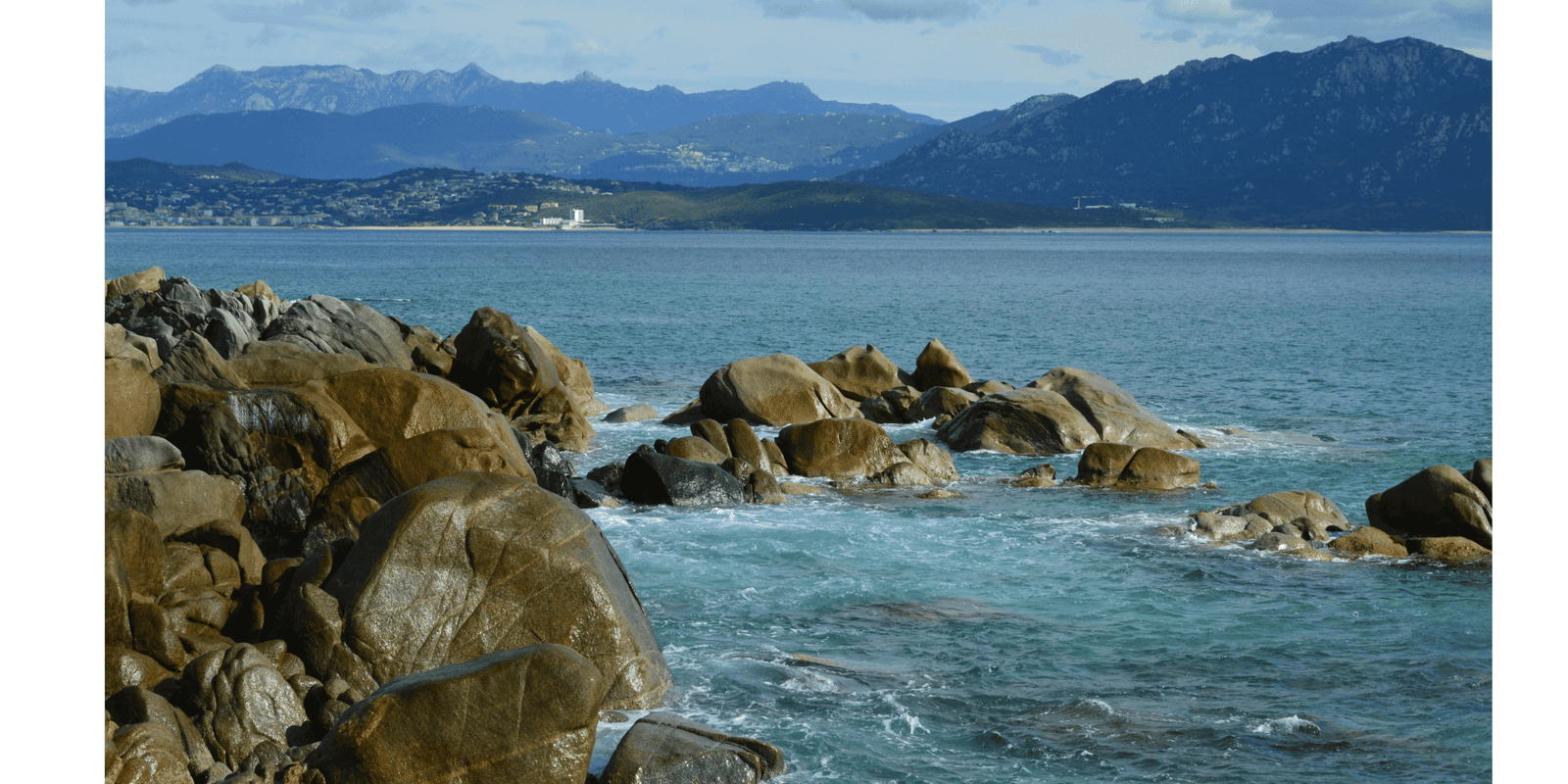
The coast is not an “excursion” in this kind of journey—it’s a parenthesis, a deliberate change of tone. You feel it before you see it: the air turns thinner, the light grows more reflective, and the horizon starts to behave differently. Even the pace of walking adjusts, as if your body is negotiating with wind. Pick a shoreline that rewards gradual arrival: a place you can reach by train with a final short transfer, so the sea feels earned rather than delivered. Let the last stretch be slower—bus, local line, a taxi that follows the curve of water—so you can register the shift from inland to edge-of-the-world.
On the coast, resist the temptation to over-program. The point is not the “best” beach or the “must” view; it’s the sensation of being temporarily unmoored. Eat something simple with your hands. Take a long walk that ends when it ends. Notice how quickly the mind starts editing itself when there is nothing to hold onto but weather and tide.
Coastal rule: Plan your return inland for the next morning, not the same day. A true parenthesis needs overnight space to settle into your body—and to leave gently.
Discreet Hotels Between Steps: Places That Hold You Lightly
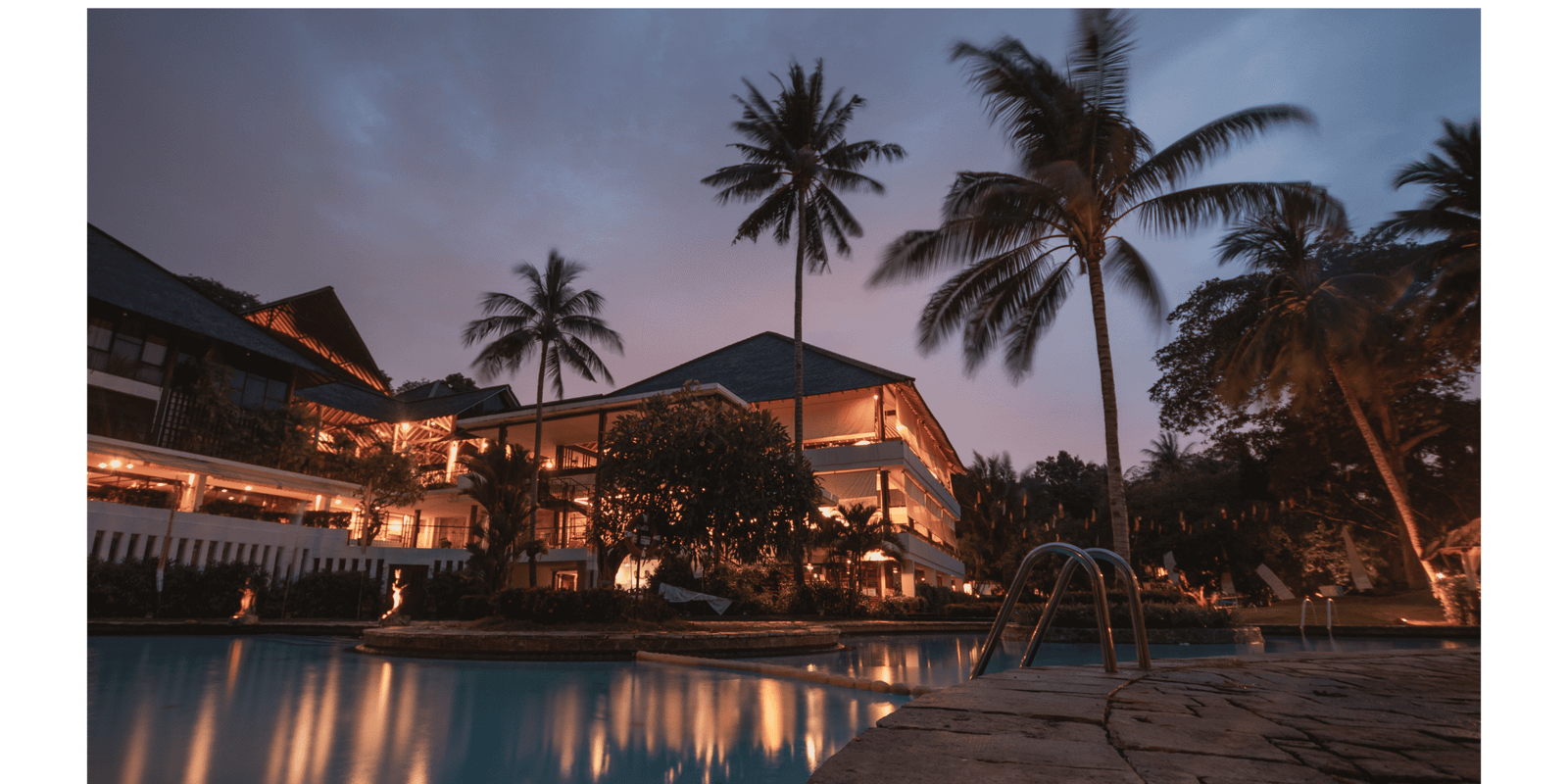
In a trip built on movement, the best hotels don’t compete with the places you’ve come to feel. They act as soft buffers—somewhere to rinse the day from your skin, reorganize your bag, and wake up ready to continue. Think less “destination stay,” more “beautiful intermission.” Look for hotels that understand transitions: close enough to stations to reduce friction, quiet enough to restore you, and designed with a restrained confidence that doesn’t demand attention. A good in-between hotel has excellent curtains, a lobby that doesn’t echo, and a breakfast that feels like a calm handshake with the morning.
- Hôtel du Cap-Eden-Roc, Cap d’Antibes
- Le Negresco, Nice
- Grand-Hôtel du Cap-Ferrat, Saint-Jean-Cap-Ferrat
- Airelles Château de Versailles, Le Grand Contrôle, Versailles
- Airelles Gordes, La Bastide, Gordes
Available
Conclusion: Let the In-Between Become the Point
France doesn’t require you to be constantly impressed. It rewards you for being continuously present. When you travel through thresholds—Paris as a first inhale, trains as a moving line of thought, the coast as a parenthesis, hotels as quiet stitching—you begin to notice a more elegant truth: the journey is not the gap between highlights. The journey is the shape of your attention as it changes. So plan your route like a piece of writing. Give it space for commas and pauses. Let your arrivals be gradual, your departures clean, your days lightly held. And when you look back, you won’t remember only where you were—you’ll remember how beautifully you moved through it.
- Hôtel du Cap-Eden-Roc, Cap d’Antibes — hotel-du-cap-eden-roc.com
- Le Negresco, Nice — https://www.lenegresco.com/
- Grand-Hôtel du Cap-Ferrat, Saint-Jean-Cap-Ferrat — https://www.fourseasons.com/fr/capferrat/
- Airelles Château de Versailles, Le Grand Contrôle — https://airelles.com/fr/destination/chateau-de-versailles-hotel
- Airelles Gordes, La Bastide — https://airelles.com/fr/destination/gordes-hotel